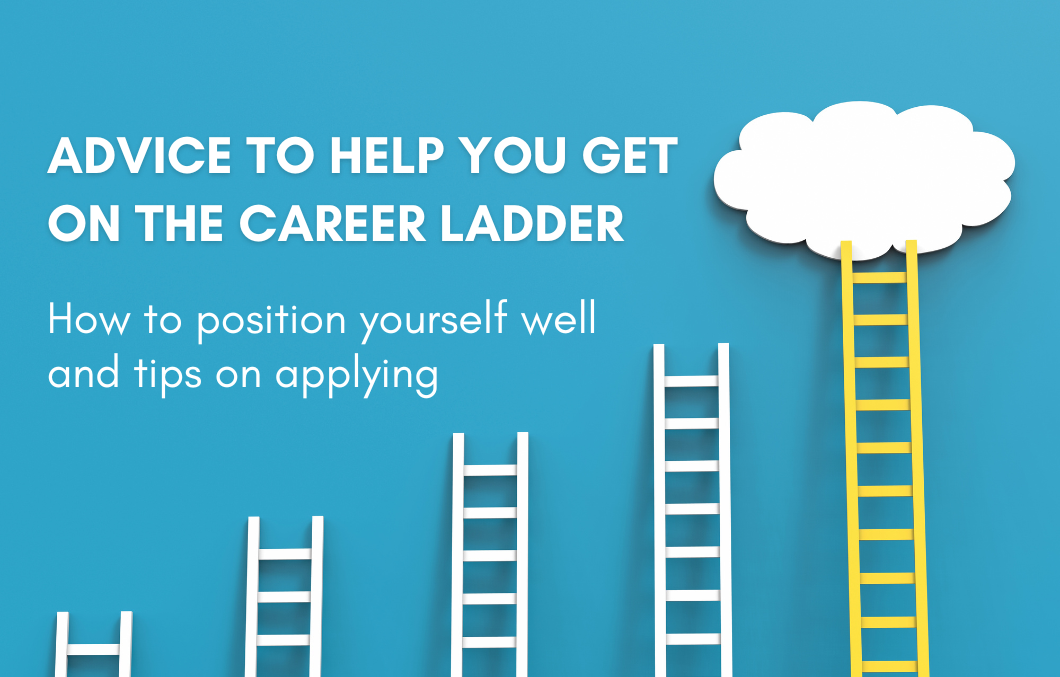

Whether you’ve just received your GCSE or A-Level results, or you’re transitioning to a new career, you’ve likely experienced the frustration of encountering an entry-level position with a lengthy list of requirements that hardly aligns with the traditional understanding of the term “entry-level. We know how important it is to find a great job that provides the foundations for building your career, but also just how hard it is to find!
Here, we’ll explore why more and more young people are struggling to get on the career ladder, and how you can position yourself to break into the job market.
What is the term entry-level and where has it gone?
The term “entry-level” traditionally refers to more junior positions, for candidates starting out in their careers. However, according to many LinkedIn users, the job search isn’t the same as it was even 10 years ago. Recent analysis of 4 million jobs posted on LinkedIn since 2017 showed that 35% of adverts for “entry-level” roles asked for years of prior relevant work experience and for areas such as software and IT, more than 60% required 3+ years of experience.
So why is this happening?
Competition: in the current day, more and more young adults entering the workplace for the first time have undergraduate degrees. In 2020, the UK saw the highest acceptance record of students into university than ever before. A bachelor’s degree is seemingly less sufficient which poses major socioeconomic barriers for young people to break into the workforce.
Discrepancies: there seems to be a level of discrepancy between the perspectives of hirers and job seekers when it comes to the number of entry-level positions that require years of prior experience. This often looks like transferring the competitiveness of the industry into the selection process. With the job market rapidly evolving, it’s important that hiring managers stay up to date with the market and think about what is essential to a job description.
Internships are becoming the new entry-level role: though the job market has picked up since leaving the days of lockdowns and immediate economic uncertainty, we are now facing the economic aftershock. Employers have an increased desire for candidates who can “hit the ground running”.
What can you do to position yourself well as an entry-level candidate?
There is reason to be optimistic. The increased ubiquity of remote and hybrid working has opened up opportunities for entry-level candidates outside of the job location.
Starting early: if you are still at university, try and get experience now. For the charity sector, LinkedIn and CharityJobs host a range of internships and short-term remote contracts for you to complete part-time or during your university breaks. Starting the internship hunt now, even if it is for little money, sets you up with an abundant CV and life skills for once you graduate. This will ultimately set you apart from your classmates when entering the ever-so competitive market.
Volunteering: volunteering is also a great way to enhance your CV and show your passion. Volunteering opportunities are often offered on a flexible schedule, ideal to fit around a university degree or another job.
Courses: it is very natural to feel unequipped with professional skills after studying at university for 3-4 years. Doing a course to enhance or learn a new skill is a great credential to have on your CV. CharityJobs list a range of courses to add more relevant skills to your CV.
Apprenticeships: apprenticeships are the perfect combination of offering the opportunity to gain professional skills whilst getting paid to do it! Apprenticeship opportunities are on the rise. 96% of employers have favourably spoken about hiring apprentices, so this may be a great way to break into the workforce.
Utilising social media as a job hunting tool: with more employers and recruiters turning to LinkedIn and other networking sites to source talent, as well as post opportunities, finding out where your dream company is talking about the role can be extremely beneficial. LinkedIn is also a great place to find out more about the teams, and their career paths and reach out for a chat with a recruiter.
When it comes to applying…
Don’t underestimate yourself! Even if the job description looks intimidating, you should still apply. In most cases, not all bulleted requirements are essential.
Did you know? Women tend to only apply for roles when they feel they meet most requirements, whereas men still apply when they feel they meet less of the requirements. Though this can be due to an array of factors, this is an important lesson that shows having some confidence in your application can pay off.
Besides experience, hiring managers are keen to know what motivates and drives you to apply for a role. When it comes to writing a supporting statement, exemplifying your passion for the type of role or sector is essential.
Adapt your CV: When hiring managers are sifting through hundreds of CVs, they are most likely looking for keywords. Without being dishonest, carefully dissect what the job specification is looking for and make sure that you have included anything that you may not have included on your CV. Check out our free CV advice guide for more help.