
We know that recruitment in the charity sector is never just about filling a vacancy, it’s about finding people who share your mission, values, and drive to make a difference. As AI continues to reshape the digital landscape, charities face a unique challenge: how to embrace innovation without compromising the human connection at the heart of their work.
That’s why, at Prospectus, we think it’s useful to try and reframe how you think about AI. It’s not just one tool or one solution. It can be adopted in a variety of ways, as Ben Cohen at Good Innovation explored in this LinkedIn post.
Which AI tool you choose to use as an organisation to inform your recruitment strategy is a central 2025 question, rather than using AI or not.
AI that supports, not replaces.
Recent research shows that while most hiring managers haven’t yet adopted AI, many are open to using it for practical tasks. According to CharityJob’s AI in the Charity Sector 2025 report:
- 76% of hiring managers said they had never used AI in recruitment.
- 44% were not open to using AI, while 15% were fully open to exploring its potential
Hiring managers see AI as most useful for:
- Writing job descriptions (76%)
- Creating interview questions (68%)
- Scheduling interviews (over 50%)
These are areas where AI can reduce administrative burden and free up time for what matters most – building meaningful relationships with candidates.
Used thoughtfully, AI can help charities:
- Craft inclusive, values-led job ads
- Streamline early-stage processes
- Improve accessibility for candidates
- Support data-informed decision-making
But technology should never replace human judgment. Especially when hiring for roles that shape culture, community, and mission.
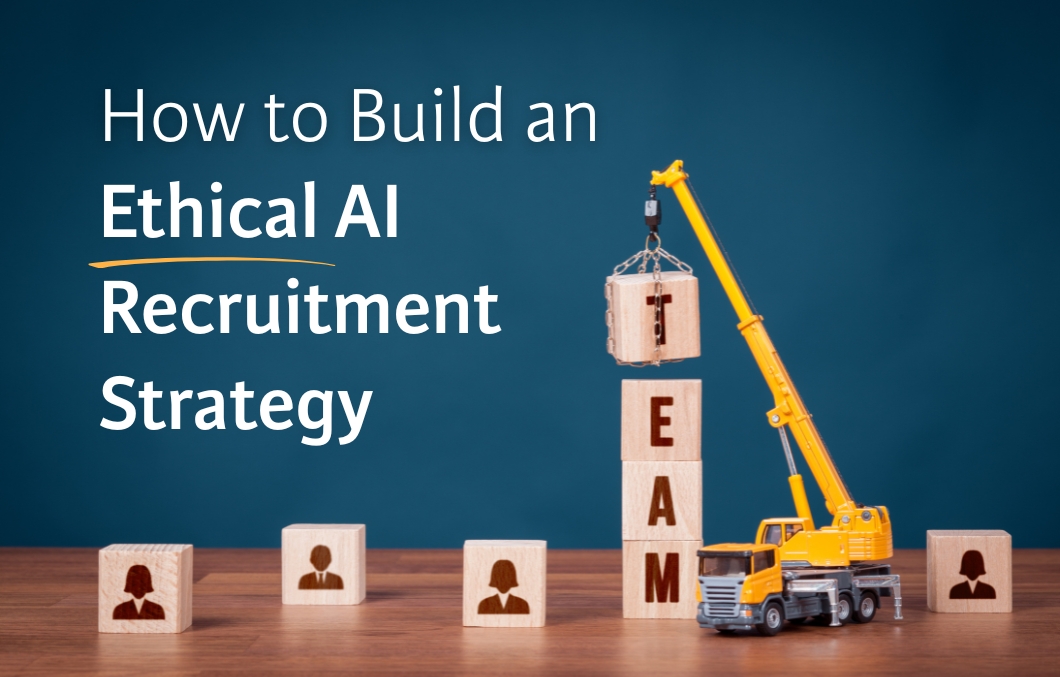
A Framework for Ethical AI Use
By working within a framework, charities can explore AI in recruitment with confidence and care. We’ve provided some guiding principles below, which can be used to help you in your commitment to ethical, inclusive, and impactful recruitment.
1 . Define Boundaries
Create an internal AI use policy that outlines what AI can and cannot do. Be transparent with candidates and ensure compliance with data protection regulations.
2. Choose Tools Carefully
Select platforms that prioritise fairness, accessibility, and explainability. Look for tools that allow human oversight and align with your organisational values. We’ve included some examples below:
- Applied (UK-based bias-free screening platform)
What it’s good for: Creating anonymous, skills-based assessments that remove unconscious bias from early-stage screening. Perfect for charities committed to diversity and inclusion, helping ensure candidates are judged purely on competency rather than background.
What it’s not good for: Assessing cultural fit or passion for your cause – these still need human evaluation through interviews and conversation. - ChatGPT (OpenAI’s conversational AI)
What it’s good for: Crafting compelling job descriptions with inclusive language, generating interview questions tailored to charity roles, and brainstorming creative recruitment campaigns that highlight your mission.
What it’s not good for: Handling sensitive candidate data or making final hiring decisions. It requires careful prompting to avoid generating biased content and lacks built-in recruitment compliance features. - Microsoft Copilot (AI productivity assistant)
What it’s good for: Streamlining administrative tasks like scheduling, drafting follow-up emails to candidates, and analysing application trends across your recruitment pipeline.
What it’s not good for: Specialised recruitment functions like psychometric testing or advanced candidate matching – it’s a general assistant, not a dedicated HR tool. - Claude (Anthropic’s AI assistant)
What it’s good for: Analysing CVs for key competencies, writing personalised outreach messages to passive candidates, and creating interview guides that focus on values alignment, alongside skills assessment.
What it’s not good for: Replacing human intuition about whether a candidate genuinely connects with your charity’s mission – this requires face-to-face conversation and emotional intelligence.
3. Build Inclusivity into Every Step
Use AI to support inclusive language in job descriptions, reduce unconscious bias in screening, and ensure equitable access to opportunities.
4. Monitor Impact
Track how AI affects time-to-hire, candidate diversity, engagement, and recruiter wellbeing. Use data to refine your approach and ensure it’s working for everyone.
Leading with Values
AI adoption in the charity sector is growing – 61% of charities used AI in 2024, up from just 27% in 2023, according to the Charity Digital Skills Report.
The applications extend far beyond recruitment too. We explore this further in our upcoming blog : AI in Charity Service Delivery: Beyond Recruitment, which examines how charities are using AI to enhance their core mission work.
But it’s not just organisations navigating this shift, candidates are too. We explore this in our blog AI in Recruitment: What Candidates Need to Know, where we help job seekers understand how AI might be used in their recruitment journey, and what questions they can ask to ensure transparency and fairness.
At Prospectus, we’re committed to helping our clients and candidates, navigate this evolving landscape with clarity and care. Whether you’re curious about AI, cautious about its implications, or ready to explore its potential, we hope this is some help and welcome a conversation with you.