
For Mental Health Awareness Week, we want to highlight some of the incredible work that is happening in the Charity Sector. We were delighted to speak with Will Higham, Associate Director of Programme Innovation at Rethink Mental Illness to discuss what positive changes he’s seen recently, what challenges are still being faced and, what is his advice for looking after the health and wellbeing of staff members?
Rethink Mental Illness has a vision for equality, rights, fair treatment and maximum quality of life for all those affected by mental illness, their carers, family and friends. As one of the largest charitable providers of services for people living with mental illness, they are well placed to make a direct impact on the care people receive.
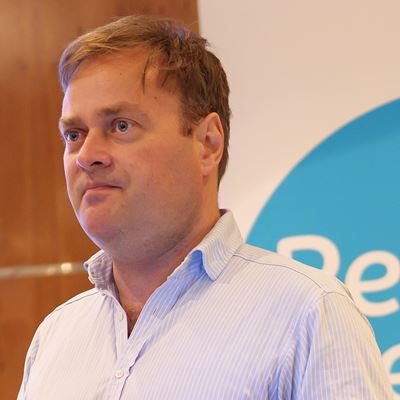
As Associate Director of Programme Innovation at Rethink, Will has worked closely with Rethink colleagues in the policy and practice team to shape their response to the most exciting – and challenging – moment in their history of delivering services: the Community Mental Health Framework.
The challenge for Rethink is learning how to deliver in a new kind of deep partnership with the community, the NHS, local authorities and others. Only by deep listening to what people say they need for their recovery and wellbeing and then leveraging the assets of the whole community can they meet the challenge and make the transformative change so needed and so overdue.
Hi Will, thanks so much for taking the time to speak with us for Mental Health Awareness Week. Can we start by asking what positive changes have you observed in the mental health sector over the last few years?
We all know about the increase in awareness about mental health over the last decade. Over the last couple of years, we have begun to see a growing interest, particularly among employers, in mental illness and how best to support people through difficult times. We are also seeing the first serious new investment in community mental health provision for generations in the NHS plan. So, there is hope. However, currently the level of need can feel overwhelming. People who were already unwell before the pandemic, in very large part get worse due to the isolation and disruption it caused. Now, debt and financial insecurity is just one of the drivers of growing need.
What, in your view, is the change that still needs to take place?
Doctors and mental health professionals are a vital part of the picture, of course. But there are not the clinical hours available to deal with the level of need. Nor would it ever be enough to talk to someone for 50 minutes a week if you then returned to rotten housing and a mountain of debt for the rest of it. We still have a situation where people who become unwell are far too likely to lose everything else as well: work, social circles, housing.
We need to move to a community approach where we act in an area to tackle causes of distress and put in early the help that people say they need, where they are. Someone seeking help will often be experiencing a host of other problems, the answer to which are in the community. People often want help from their peers as well as professionals. And simple things like social contact and physical exercise can plan a huge part in recovery and wellbeing.
To work with the whole community we have, particularly to challenge the historic racism and inequality in the way services have evolved.
How does Rethink Mental Illness look after the mental health and well-being of their staff?
Like many other employers, we offer support and advice services for employees having a hard time. Encouragement and leading from the top with openness and vulnerabilities can lead to much better line management conversations. We encourage staff to develop a ‘wrap’ plan. In the offices themselves, we talk to staff and design in things like private well-being rooms. In one case we acquired a dog for the staff – clearly, that’s not for everyone, it’s about listening!
Like everyone else, we’re still learning. I think a huge movement in the future will be going further into mental health and safety in job design. How much can we design needless stress out of jobs when we’re thinking about the evolution of the organisation and its design?
What advice can you give to others to look after the mental health and wellbeing of their own staff?
Don’t ask me first, ask them! It’s not a one-off thing, it’s starting and sustaining a conversation about mental health as part of the organisation’s life together. A lot of managers begin to do this naturally, understanding the stress around year ends, or busy spells.
But the workplace will also contain people living with serious conditions, mental illness or suffering at home from hidden pressures such as debt or domestic violence. It has to become a safe place to surface the level of distress people are experiencing and to follow that up with adjustments and plans to help them. If that sounds like a lot of time, I think often of people who have been star performers and suddenly falter. It is not just the right thing to help them, it’s a better and more humane route than not addressing the issues and snaring up in HR processes.
Planning obviously requires preparation. I would also get expert advice if you feel you need it. Obviously about depression, anxiety and wellbeing but also about severe mental illness and crisis. The workplace is often critical in the journey of someone living with mental illness and the loss of a job can be critical to their future. Getting ahead on how to help makes all the difference.
What, if anything, have you found helps you look after your mental health?
Forgive me for this – but you did ask! Because I am a bloke I am most comfortable thinking of it as something solid. For example, as a garden I am growing or something I am making. I read a few of the letters between Boswell and Dr Johnson (that is the bit you have to forgive me for) once. They would talk about their work, their travels, events and then the state of their mental health as though it was something happening to them they had to manage. For me that dispassionate approach kind of works. How do I feel? Oh, poor me that’s bad. What useful or kind things can I make happen to help with that. Then, instead of finding myself trying to persuade myself that I am actually fine, I close the laptop and go for a run, arrange to see an old friend or book a holiday.
Thanks so much for taking to the time to speak to us Will.