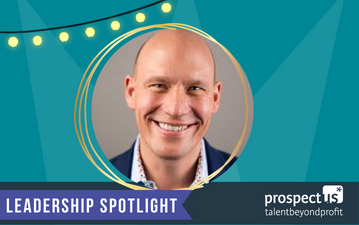


Welcome to our charity job spotlight series, where we shine a light on people and their great work in the charity sector. The series covers why they work in the sector; what their job involves; and career advice for those looking to either come into the sector or progress in their career.
Why have you chosen to work in grant making within the charity sector?
It might sound odd but I was always curious about where charitable funding came from, and the more experience I had in the voluntary sector, the more I wanted to help get that money to the fantastic people and organisations making a real difference to communities.
What do you think makes someone successful in your profession?
For grant-making I think that experience of already having worked in charities and non-profits is important, so that you can better understand the perspectives, processes and objectives that partners may have. But at the same time, I think a curiosity and interest in the wider ecology of the charitable system is also useful. Sometimes grant-funding work requires you to map and understand the system and organisations operating in it. On the personal side, I’d say a real enthusiasm and energy for the work and a desire to invest time in building relationships with partners is essential at the funders I have worked for.
What skill/s have you learnt in your career that have proven to be the most valuable?
Like everywhere powerpoint skills appear to be highly valued, but I’m a work in progress there! In grant-making you’re often working at various levels of detail and a variety of stakeholders so I’d say that being able to communicate and translate information to a variety of stakeholders is key. For example, Trustees often play a hugely important role in approving grants but are less close to the detail or dynamics of a sector, so it’s important to give them the context that helps them make a decision.
What is your proudest achievement?
There are two things that mean something to me. In one role I worked on developing a new funding programme in the criminal justice sector. The funding enabled partners to invest time and resources in a previously underfunded area. The outcome of their work has had some impact on policy, so that felt really rewarding. More recently, last year I worked on a multimillion dollar grant to a partner. We were able to demonstrate the importance of unrestricted funding to the board and it was one of the first significant unrestricted grants made by my employer. As a result of the unrestricted funding the partner has been more agile but also been able to take advantage of other fundraising opportunities that would have been difficult had our funding to them been restricted.
What advice would you give to anyone looking to make the move in to the charity sector?
I’d say that it’s useful to volunteer and research the sector as there are so many different avenues that there is definitely something for everyone! I don’t think people have any idea of the diversity of work that charities do, and the huge range of skills they need.
Thanks so much for taking the time to speak with us Letty.
If you would like to learn more about our work in the sector or would like to be featured in our series, you can contact us here.